

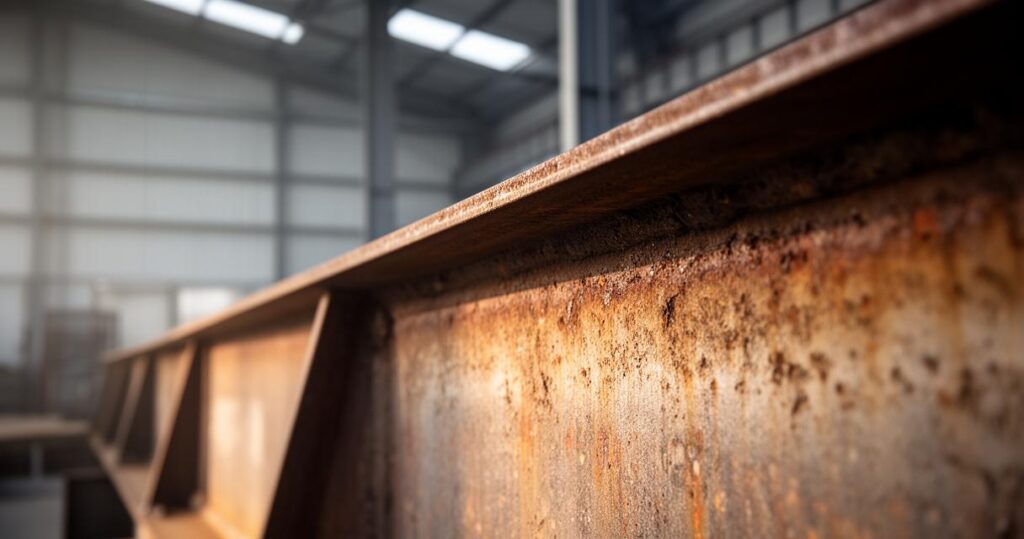
Industrial environments face relentless challenges when it comes to maintaining the integrity of their infrastructure. Among these, the degradation of metal components stands as a persistent concern that demands careful attention from engineers, technicians, and facility managers. The interaction between metallic materials and their surroundings creates complex chemical processes that can compromise structural stability, increase operational costs, and pose significant safety hazards. This comprehensive exploration delves into the mechanisms behind material deterioration, the assessment strategies employed to detect vulnerabilities, and the protection methods that safeguard critical installations across diverse industrial sectors.
- Corrosion is an electrochemical process where metals revert to oxidized states, manifesting as uniform, pitting, stress-induced, or galvanic degradation.
- Environmental factors such as temperature, pH levels, flow dynamics, and the presence of chemical contaminants significantly influence the rate and severity of material deterioration.
- Corrosion imposes massive global economic burdens, costing the U.S. pipeline industry approximately seven billion dollars annually in maintenance, repair, and lost production.
- Inadequate corrosion management poses severe safety and environmental risks, as evidenced by significant pipeline failures that result in costly spills and regulatory penalties.
- Corrosion accounts for nearly one-fifth of all pipeline accidents, highlighting the urgent need for proactive inspection and robust integrity management strategies.
- Investing in prevention and routine monitoring is significantly more cost-effective than addressing the direct and indirect consequences of structural failure in industrial infrastructure.
Understanding Corrosion Mechanisms and Their Impact on Industrial Infrastructure
The Fundamentals of Corrosion: Chemical Reactions and Material Degradation
The phenomenon of corrosion represents a natural electrochemical reaction wherein metals gradually revert to their more stable oxidised states. This process occurs when metallic surfaces interact with environmental elements such as moisture, oxygen, and various chemical compounds present in industrial settings. In pipeline systems, particularly those transporting oil and gas, these reactions manifest in several distinct forms. Uniform corrosion affects surfaces evenly, creating a gradual thinning effect that, whilst predictable, can significantly reduce wall thickness over extended periods. More insidious is pitting corrosion, which creates localised cavities that penetrate deeply into the material, often going unnoticed until structural failure becomes imminent. The complexity increases further with stress corrosion cracking, where mechanical stress combines with corrosive environments to produce fractures that propagate through otherwise sound material. Galvanic corrosion emerges when dissimilar metals come into contact within an electrolyte, establishing an electrochemical cell that accelerates deterioration of the more reactive metal.
The rate at which these corrosion mechanisms progress varies dramatically depending on environmental conditions. Temperature plays a crucial role, with elevated temperatures accelerating chemical reactions and thereby intensifying corrosion rates. In sour gas fields, where hydrogen sulphide is present, sulfidation corrosion becomes a dominant concern, attacking steel surfaces with particular aggression. The pH levels of fluids in contact with metal surfaces exert profound influence as well; acidic environments with lower pH values dramatically increase corrosion rates, whilst alkaline conditions may offer some protective effect. Flow dynamics within pipeline systems introduce additional complexity, as high-velocity fluids can strip away protective corrosion products and induce erosion-corrosion, where mechanical wear compounds chemical attack. The composition of transported substances further determines corrosion behaviour, with certain chemicals acting as aggressive agents that compromise protective layers. Even seemingly beneficial features such as scale formation can create problems, as inorganic deposits may trap corrosive agents against metal surfaces, establishing localised environments that promote accelerated deterioration.
Economic Consequences of Corrosion in Pipeline Systems and Industrial Equipment
The financial burden imposed by corrosion on industrial infrastructure reaches staggering proportions across global operations. In the United States alone, the annual cost attributed to pipeline corrosion hovers around seven billion dollars, reflecting expenses related to inspection, maintenance, repairs, and replacement of compromised sections. The oil and gas sector bears a particularly heavy financial load, with estimates suggesting that corrosion-related expenses within this industry approach nearly one point four billion dollars each year. These figures encompass not only direct repair costs but also production losses during maintenance shutdowns, emergency response expenses when failures occur, and the substantial investments required for prevention programmes. The Alaska Pipeline incident of two thousand and eleven serves as a stark reminder of what inadequate corrosion management can precipitate; severe deterioration led to the release of approximately two hundred thousand gallons of oil, resulting in environmental damage, cleanup costs, regulatory penalties, and reputational harm that far exceeded the expense of proactive maintenance.
Beyond immediate financial impacts, corrosion imposes indirect costs that ripple throughout industrial operations. Safety risks associated with compromised structural integrity necessitate enhanced monitoring protocols and more frequent inspections, diverting resources from productive activities. When pipeline leaks occur, companies face not only environmental remediation expenses but also potential litigation, regulatory fines, and the erosion of public trust. Analysis of over one thousand pipeline accidents revealed that corrosion accounted for roughly twenty-one percent of incidents, underscoring its role as a leading cause of infrastructure failure. The extended network of oil and gas pipelines spanning an estimated two point one five million kilometres globally represents an enormous asset base vulnerable to corrosion, making effective management strategies essential for preserving capital investments. Industries dependent on stainless steel installations and carbon steel pipelines must factor corrosion costs into long-term financial planning, recognising that prevention expenditures typically prove far more economical than addressing failures after they occur.
Assessment Techniques and Inspection Strategies for Pipeline Corrosion Management
Modern Inspection Methods for Detecting Corrosion in Steel and Stainless Steel Installations
Detecting corrosion before it compromises system integrity requires sophisticated inspection methodologies that have evolved considerably with technological advancement. Non-destructive testing techniques form the cornerstone of modern assessment programmes, enabling engineers to evaluate internal conditions without interrupting operations or damaging infrastructure. Ultrasonic testing measures wall thickness with remarkable precision, with contemporary sensors achieving accuracy within plus or minus zero point one millimetres, allowing detection of metal loss before it reaches critical thresholds. Intelligent pigs represent another transformative technology; these sophisticated devices travel through pipelines, equipped with magnetic flux leakage sensors or ultrasonic transducers that map internal and external corrosion patterns across extensive distances. The data collected during these inspections provides detailed profiles of remaining wall thickness, corrosion rates, and locations requiring immediate attention.
Complementing these advanced methods, traditional corrosion coupons continue to serve valuable monitoring functions. These small metal samples, installed at strategic points within systems, undergo the same environmental exposure as the infrastructure itself. Periodic retrieval and analysis of these coupons reveals corrosion rates and helps validate the effectiveness of protection measures. Real-time monitoring systems have emerged as powerful tools for continuous surveillance, employing electrochemical sensors that track corrosion activity as it occurs. These systems provide early warning of changing conditions that might accelerate deterioration, enabling prompt corrective action. The integration of sensor technology with data analytics platforms has revolutionised prediction capabilities, with models incorporating multiple data streams achieving correlation coefficients above zero point eight five, demonstrating their reliability in forecasting corrosion progression. Digital twin technology represents the cutting edge of assessment strategies, creating virtual replicas of physical assets that simulate corrosion behaviour under various scenarios, helping organisations optimise inspection schedules and prioritise maintenance activities.
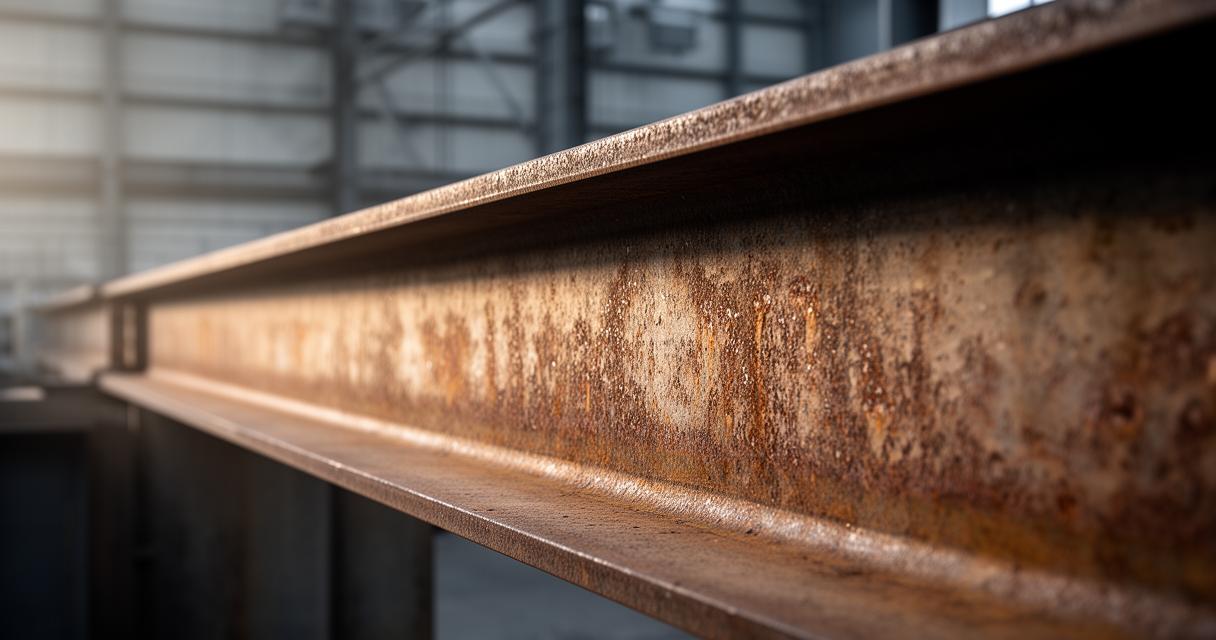
Risk-based assessment approaches for industrial pipeline networks
Managing corrosion across extensive pipeline networks demands strategic prioritisation that focuses resources on areas presenting the greatest risk. Risk-based assessment methodologies evaluate both the probability of corrosion failure and the potential consequences should such failures occur. This approach recognises that not all pipeline sections merit equal attention; segments traversing environmentally sensitive areas, those operating at elevated pressures or temperatures, and sections with histories of corrosion problems naturally warrant more intensive monitoring. Engineers employ sophisticated algorithms that weigh multiple factors including pipe age, material composition, transported substances, environmental exposure, and historical inspection data to generate risk rankings. These rankings guide inspection frequency and inform decisions about where to deploy advanced diagnostic technologies.
The implementation of risk-based strategies has transformed corrosion management from reactive firefighting to proactive prevention. Rather than inspecting entire networks on uniform schedules, organisations concentrate efforts where they yield maximum safety and economic benefits. This targeted approach optimises limited inspection budgets whilst maintaining high standards of integrity across critical infrastructure. Regular reassessment ensures that risk profiles remain current as conditions evolve, with new data from inspections, incidents, or environmental changes triggering adjustments to monitoring programmes. The integration of artificial intelligence into risk assessment frameworks promises further refinement, as machine learning algorithms identify subtle patterns in vast datasets that human analysts might overlook. These systems continuously improve their predictive accuracy, learning from each inspection cycle to better forecast where and when corrosion problems are likely to emerge. For engineers and technicians working in industrial settings, embracing risk-based methodologies represents a fundamental shift toward more efficient, effective infrastructure management that balances safety imperatives with economic realities.
Protection Strategies and Prevention Methods for Industrial Corrosion Control
Coating Technologies and Cathodic Protection Systems for Pipeline Integrity
Preventing corrosion requires multiple layers of defence that address the electrochemical nature of the deterioration process. Protective coatings serve as the first line of defence, creating physical barriers between metal surfaces and corrosive environments. Modern coating formulations have achieved remarkable effectiveness, with properly applied systems reducing corrosion rates by more than ninety percent compared to bare metal exposure. These coatings range from traditional epoxy and polyurethane systems to advanced nanotechnology-enhanced products incorporating graphene, which offers exceptional barrier properties and mechanical strength. The selection of appropriate coating systems depends on operational conditions including temperature ranges, chemical exposures, and mechanical stresses that coated surfaces will encounter. Application quality proves critical to coating performance; surface preparation must achieve specified cleanliness standards, and coating thickness must meet design specifications to ensure adequate protection throughout the intended service life.
Cathodic protection provides complementary defence by manipulating the electrochemical reactions that drive corrosion. This technique works by making the protected metal surface the cathode of an electrochemical cell, thereby suppressing the anodic reactions that cause material loss. Two primary methods exist for implementing cathodic protection. Impressed current systems use external power sources to drive protective currents onto pipeline surfaces, offering precise control over protection levels and suitability for large or high-demand applications. Sacrificial anode systems employ more reactive metals such as zinc or magnesium that preferentially corrode, thereby protecting the steel infrastructure they serve. These systems require no external power but necessitate periodic replacement of consumed anodes. When properly designed and maintained, cathodic protection systems dramatically extend infrastructure life, often providing decades of additional service from pipelines that might otherwise require replacement. The combination of high-performance coatings and well-designed cathodic protection creates synergistic benefits, with coatings reducing the current demand on cathodic protection systems whilst cathodic protection guards against coating defects or damage.
Best Practices for Engineers and Technicians in Corrosion Prevention Programmes
Implementing effective corrosion prevention demands comprehensive programmes that integrate multiple strategies into cohesive management systems. Engineers must begin with thoughtful material selection, choosing alloys and grades appropriate for anticipated service conditions. Stainless steel installations, whilst more expensive initially, may prove economical in severely corrosive environments where carbon steel would require extensive protection measures. Design considerations play equally important roles; eliminating crevices where corrosive agents accumulate, ensuring proper drainage to avoid moisture retention, and providing adequate ventilation all contribute to corrosion resistance. The specification of appropriate corrosion allowances during design phases acknowledges that some metal loss will occur over service life, ensuring adequate wall thickness remains even after predictable deterioration.
Ongoing maintenance and monitoring form essential components of successful prevention programmes. Regular inspections according to risk-based schedules detect emerging problems whilst they remain manageable, preventing minor issues from escalating into catastrophic failures. Technicians conducting these inspections require proper training to recognise various corrosion types and understand the implications of their findings. Corrosion inhibitor systems offer chemical protection for internal pipeline surfaces, with modern formulations achieving efficiency rates exceeding ninety-five percent in controlled applications. These inhibitors function by forming protective films on metal surfaces or by neutralising corrosive agents in transported fluids. The selection and application of inhibitors requires careful consideration of system compatibility, effectiveness under operating conditions, and environmental acceptability. Documentation practices prove crucial for long-term programme success; maintaining detailed records of inspections, repairs, and protection system performance enables trend analysis that informs future decision-making. Continuous professional development ensures that personnel remain current with evolving technologies and best practices. Organisations such as the Institute of Corrosion offer resources, training programmes, and professional registration pathways that support career development for those specialising in corrosion management. By fostering expertise and promoting knowledge sharing across industry, such institutions contribute to raising standards and reducing the substantial toll that corrosion exacts on industrial infrastructure worldwide.