

When a single painting commands a price that rivals the GDP of a small nation, it raises an inevitable question: what transforms pigment on canvas into one of the most coveted assets on the planet? The answer lies at the intersection of cultural legacy, scarcity, and the rarefied world of high-stakes collecting. Across auction houses in New York and private sales negotiated in hushed boardrooms, the most expensive paintings in the world have redefined what it means to place a value on human creativity.
The essentials
- The extreme valuation of world-class paintings is driven by a unique combination of cultural legacy, historical rarity, and intense demand from high-net-worth collectors.
- Major auction houses like Sotheby’s and Christie’s serve as global stages where institutional prestige and scarcity turn art transactions into major cultural events.
- A work’s provenance, or its documented history of ownership, is a critical factor that significantly enhances its credibility and market value.
- Beyond aesthetics, top-tier collectors treat fine art as a sophisticated asset class that acts as a stable store of value amidst economic turbulence.
- The market for high-value art remains remarkably broad, with both classical Old Masters and twentieth-century abstract icons commanding record-breaking prices.
- Acquisitions are often motivated by a mixture of individual passion, national cultural stewardship, and the desire to possess irreplaceable historical touchstones.
The Prestige and Cultural Impact of Masterpieces at Auction
How Iconic Works Drive High Stakes at Sotheby’s and Christie’s in New York
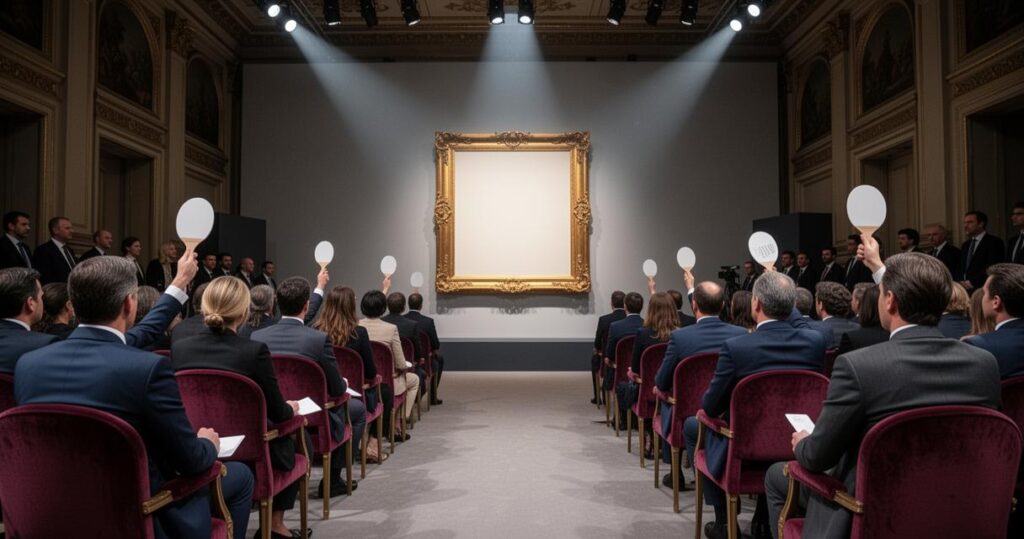
The theatre of a major auction sale is unlike anything else in the financial world. At institutions such as Christie’s and Sotheby’s in New York, bidders — often anonymous, often representing private collectors or sovereign funds — push the art market to its most extraordinary limits. The atmosphere is electric, yet the mechanics are coldly precise. A work enters the room carrying centuries of history and leaves with a price that can rewrite the record books entirely. Indeed, when Salvator Mundi by Leonardo da Vinci came to auction at Christie’s in 2017, it sold for $450 million, a figure that sent shockwaves through the global art trade and confirmed that certain works transcend the conventional logic of valuation.
What makes these sales so compelling is the rarity of the moment. Many of the most significant paintings change hands only once or twice in a generation. The combination of institutional prestige, global media attention, and a limited pool of buyers with the means to compete creates a pressure cooker of demand. When Shot Sage Blue Marilyn by Andy Warhol sold for just over $195 million at Christie’s in 2022, it was not merely a transaction — it was a cultural event that underscored how blue chip art has become a genuine asset class in its own right.
The Historical Significance of Legendary Artists from Da Vinci to Picasso
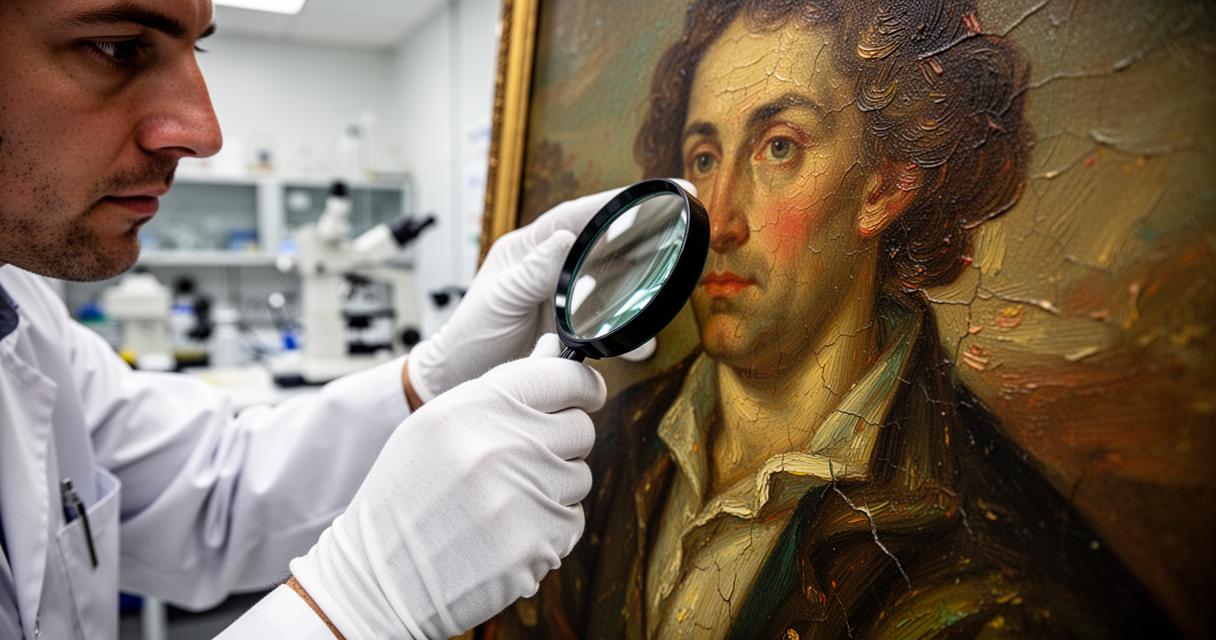
Behind every record-breaking sale is a name that has shaped the canon of art history. Pablo Picasso, Leonardo da Vinci, Paul Cézanne, Jackson Pollock, and Amedeo Modigliani are not simply artists — they are monuments whose works carry the weight of entire movements. Les Femmes d’Alger (Version O) by Pablo Picasso sold for $179.4 million, setting a record at Christie’s, while Nu Couché by Amedeo Modigliani shattered expectations at $170.4 million during a 2015 Christie’s auction. These are not arbitrary figures; they reflect the extraordinary cultural authority that certain names command across generations and borders.
Analysing the Astronomical Values of World-Famous Canvas Creations
From Salvator Mundi to Shot Sage Blue Marilyn: Key Factors behind Rare Sales
Understanding why particular works reach such extraordinary prices requires looking beyond aesthetics. The convergence of historical importance, physical condition, authenticity, and the mythology surrounding a work all play pivotal roles. Interchange by Willem de Kooning fetched $300 million when purchased by Kenneth C. Griffin in September 2015, and Number 17A by Jackson Pollock was acquired by the same collector for $200 million that same year — a pairing that illustrated the appetite for investment grade art among the world’s wealthiest individuals.
The market also responds to narrative. The Card Players by Paul Cézanne, acquired for $250 million by the royal family of Qatar in 2011, was as much a statement of cultural ambition as it was a purchase. Similarly, Nafea Faa Ipoipo? by Paul Gauguin sold for $210 million, and Portrait of Elisabeth Lederer by Gustav Klimt achieved $236.4 million at Sotheby’s on 18 November 2025 — figures that reflect a sustained, global demand for museum quality works that show no sign of abating.
The Role of Provenance and Artistic Rarity in Record-Breaking Bids
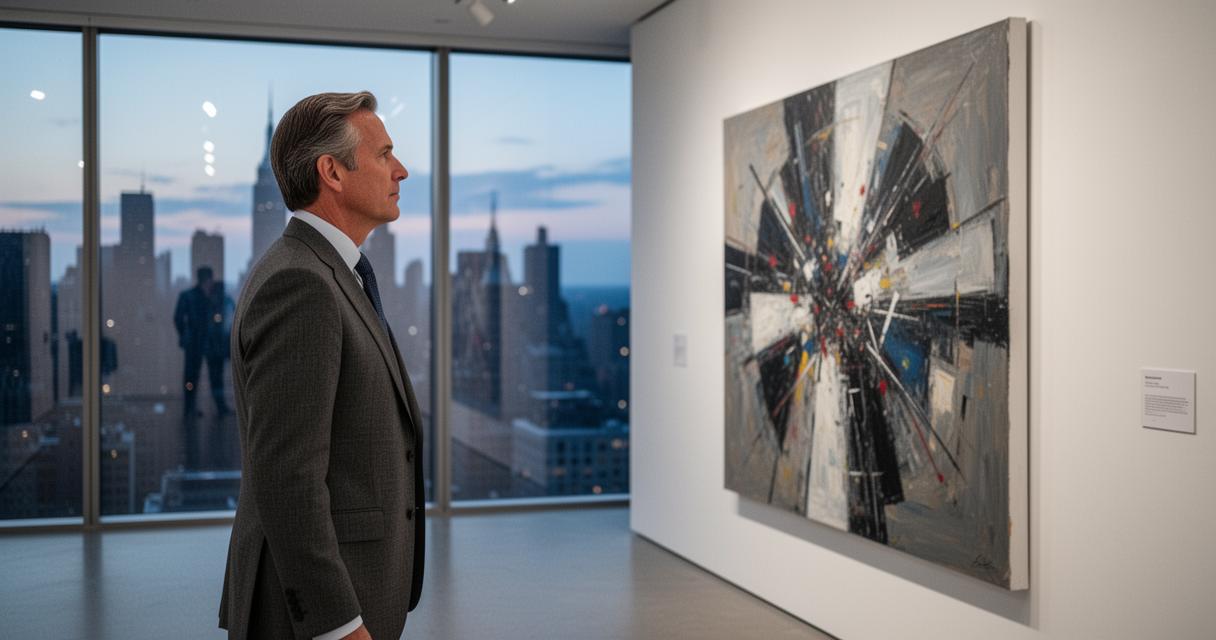
Among the many factors that influence masterpiece valuation, provenance stands as one of the most decisive. A documented ownership history — tracing a work through royal collections, legendary dealers, or significant private hands — adds layers of credibility and desirability that can substantially elevate a final bid. The fine art provenance of a painting is, in essence, its biography, and a rich one can be the difference between a notable sale and a historic one.
Rarity compounds this effect enormously. When Les Poseuses (Small Version) by Georges Seurat fetched $149 million at Christie’s in November 2022, its value was inseparable from the sheer scarcity of comparable works. The fewer the canvases an artist produced, the more fiercely collectors compete for each available piece. No. 6 (Violet, Green and Red) by Mark Rothko was sold privately for $186 million in 2014, a transaction that underlined how private art collections often absorb works that never appear publicly at auction, yet still command prices that shape the entire art market.
The Evolution of Fine Art Investment and High-Profile Acquisitions
Why Private Collectors and Museums Invest Heavy Sums in Fine Art
The motivations behind acquiring high value artwork are as varied as the collectors themselves. For museums, the acquisition of a masterpiece is an act of cultural stewardship — a commitment to preserving and sharing artistic heritage with future generations. For private collectors, the calculus is often more complex, blending passion, prestige, and a clear-eyed appreciation of art as an asset class that has historically held its value through economic turbulence.
The Dutch government’s purchase of The Standard-Bearer by Rembrandt for approximately $198 million in 2022 exemplifies this dual imperative. Here was a transaction driven both by national pride and by the recognition that certain works are irreplaceable cultural touchstones. The global art trade has matured considerably in recent decades, with sophisticated buyers approaching the acquisition of art with the same rigour they might apply to any major investment portfolio decision.
Understanding the Lasting Value of Abstract and Classical Masterpieces
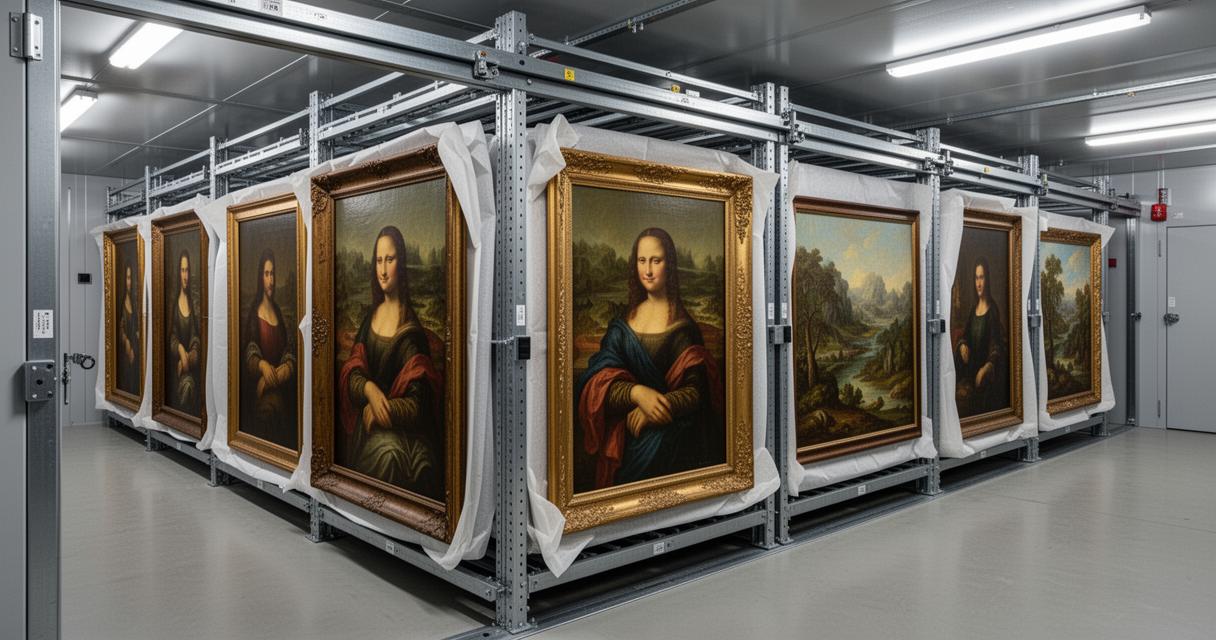
One of the most striking features of the contemporary art market is its remarkable breadth. Abstract works by Jackson Pollock and Mark Rothko sit comfortably alongside classical portraits by Rembrandt and devotional images by Leonardo da Vinci, all commanding prices that would have seemed inconceivable a generation ago. The Portraits of Maerten Soolmans and Oopjen Coppit by Rembrandt van Rijn were sold for $180 million through Christie’s, demonstrating that the appetite for Old Masters remains every bit as fierce as the demand for twentieth-century icons.
What unites these wildly divergent works is the quality of their execution and the depth of their cultural resonance. Whether one is drawn to the haunting geometry of a Modigliani nude or the layered symbolism of a Gauguin Polynesian scene, the most expensive paintings in the world endure because they speak to something fundamental in the human experience. As the art market continues to evolve, driven by new collectors from emerging economies and the growing sophistication of art market appraisal tools, the demand for truly exceptional works looks set to remain as robust as ever — and the records they set, ever more astonishing.