


Standing before an audience, whether in a boardroom, lecture hall, or conference centre, requires more than just well-chosen words. The manner in which a speaker physically presents themselves can determine whether a message resonates deeply or falls flat. Mastering the silent language of the body transforms a competent presentation into a truly compelling experience, forging connections that transcend the spoken word alone.
- Non-verbal communication accounts for the vast majority of the message received by an audience, often outweighing spoken words.
- Deliberate and purposeful body language helps speakers project confidence, credibility, and authenticity to their listeners.
- Congruence between verbal content and physical gestures is essential to ensure the speaker is perceived as genuine and trustworthy.
- Strategic eye contact fosters a personal connection by transforming a presentation from a monologue into an engaging dialogue.
- Authentic facial expressions, such as the Duchenne smile, create a welcoming atmosphere and encourage the audience to engage emotionally with the speaker.
- Maintaining a grounded, open posture signals stability and authority, which helps the speaker command the stage effectively.
- Speakers can improve their non-verbal impact by intentionally practicing their physical presence and observing their own tendencies.
Understanding the Foundations of Non-Verbal Communication
The psychology behind body language in public speaking
The science of interpersonal communication reveals a striking truth: the majority of what we convey to others happens without uttering a single syllable. Research consistently demonstrates that nonverbal communication accounts for a staggering proportion of our interactions, with estimates ranging from sixty to ninety-three percent of the total message received. This overwhelming dominance of the unspoken means that every gesture, every shift in posture, and every facial movement contributes to the narrative a speaker weaves. The brain processes these visual cues rapidly, often forming impressions before the conscious mind has fully registered the words being spoken. Understanding this psychological foundation allows speakers to harness the power of their physical presence deliberately, ensuring that their body language aligns seamlessly with their verbal content.
When a speaker stands before an audience, their body language communicates confidence, credibility, and authenticity. A relaxed yet purposeful stance signals competence, while fidgeting or closed-off postures can inadvertently broadcast nervousness or disengagement. Public speaking fear, which remains a common challenge for many individuals, often manifests through involuntary physical cues that audiences instinctively detect. By cultivating awareness of these nonverbal signals, speakers can begin to manage and ultimately transform their physical presence into an asset rather than a liability.
How physical presence influences audience perception
Physical presence extends beyond mere visibility; it encompasses the energy, authority, and relatability a speaker projects. The way a person occupies space on stage, the rhythm of their movements, and the openness of their gestures all contribute to how an audience perceives their message. A speaker who commands the stage with deliberate, purposeful movement invites attention and sustains engagement, whereas one who remains static or exhibits aimless pacing can inadvertently diminish the impact of their words.
Audiences instinctively assess a speaker's authenticity through their body language. When gestures align naturally with the spoken message, the presentation feels genuine and trustworthy. Conversely, forced or exaggerated movements can create a disconnect, leading audiences to question the speaker's sincerity. Effective communication training emphasizes the importance of congruence between verbal and nonverbal elements, ensuring that every aspect of the presentation reinforces the core message. This alignment not only enhances audience connection but also bolsters the speaker's confidence, creating a positive feedback loop that elevates the entire experience.
Mastering eye contact and facial expressions
Strategic eye contact techniques to build connection
Eye contact serves as one of the most potent tools for establishing rapport with an audience. When a speaker meets the gaze of individuals throughout the room, it creates a sense of personal connection, making each listener feel acknowledged and valued. This technique transforms a monologue into a dialogue, fostering a more interactive and engaging atmosphere. Strategic eye contact involves more than simply scanning the crowd; it requires the speaker to pause briefly on different faces, holding their gaze long enough to create a moment of genuine connection without causing discomfort.
Practicing this skill requires intentionality and repetition. Speakers can benefit from rehearsing in front of a mirror or recording themselves to observe their natural tendencies. Over time, maintaining steady, warm eye contact becomes second nature, allowing the speaker to focus on delivering their message with greater ease. This practice not only enhances audience engagement but also helps the speaker gauge reactions, enabling real-time adjustments to pacing, tone, or content as needed.
Using facial expressions to reinforce your message
Facial expressions convey emotion with remarkable clarity, often more effectively than words alone. A genuine smile, particularly the type that engages the muscles around the eyes, known as the Duchenne smile, can instantly create a welcoming and positive environment. This authentic expression signals warmth and openness, inviting the audience to relax and engage with the speaker on a more personal level. In contrast, a forced or insincere smile can have the opposite effect, creating distance and eroding trust.
Empathy and understanding can also be communicated through subtle facial cues. Tilting the head slightly while listening or responding to audience questions demonstrates attentiveness and compassion, reinforcing the speaker's investment in the conversation. Similarly, allowing one's face to reflect the emotional tone of the content, whether it be excitement, concern, or curiosity, helps the audience emotionally invest in the narrative. These techniques, when practiced regularly, become intuitive, allowing speakers to express themselves naturally and authentically without overthinking each movement.
Commanding the Stage with Posture and Movement
Power Poses and Stance for Projecting Confidence
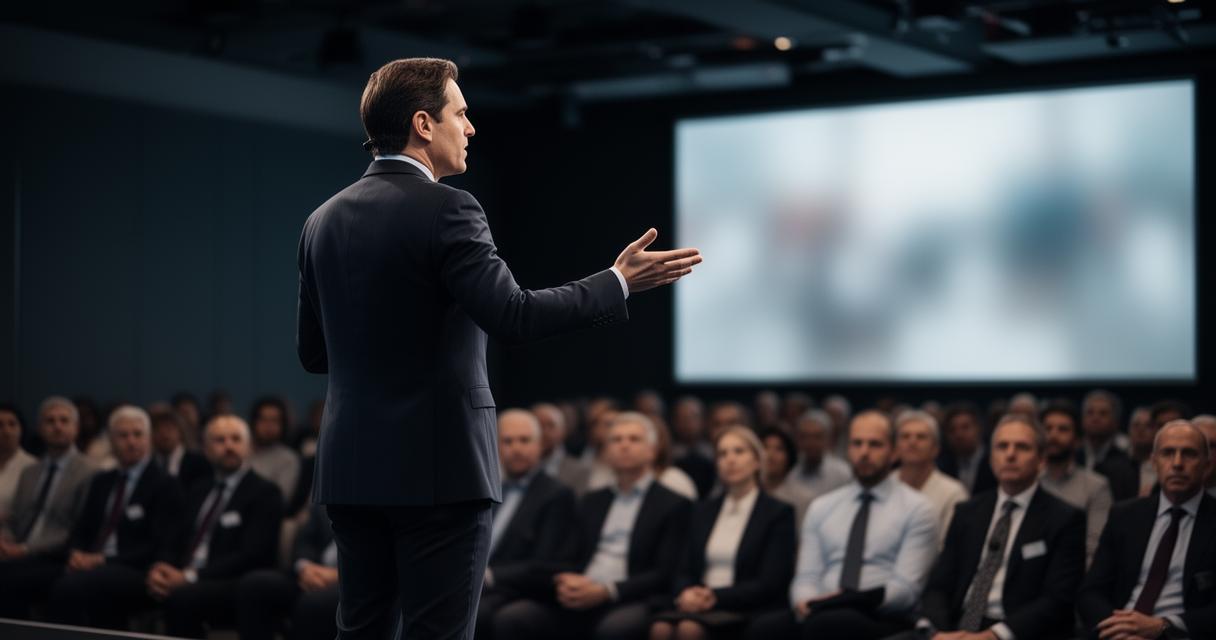
The way a speaker stands conveys volumes about their confidence and authority. A grounded, open stance, with feet shoulder-width apart and weight evenly distributed, projects stability and self-assurance. This posture not only influences how the audience perceives the speaker but also affects the speaker's own psychological state, fostering a sense of control and readiness. Conversely, slouching, crossing arms, or shifting weight nervously can undermine credibility and suggest uncertainty.
Leaning slightly towards the audience during key moments of a presentation signals engagement and enthusiasm, subtly inviting listeners to lean in as well. This forward inclination creates a sense of intimacy and shared purpose, breaking down the invisible barrier that can exist between speaker and audience. When combined with relaxed yet deliberate hand gestures, this approach amplifies the impact of the spoken word, ensuring that the message resonates both intellectually and emotionally.
Purposeful movement patterns to maintain engagement
Movement on stage should always serve a purpose, whether to emphasize a point, transition between topics, or re-engage the audience's attention. Aimless pacing or repetitive gestures can become distracting, pulling focus away from the content. Instead, speakers should strive for deliberate, measured movements that complement their narrative. Stepping forward to highlight a critical insight or moving to a different part of the stage to signal a new section helps structure the presentation visually, guiding the audience through the journey.
When gestures match the spoken words, they provide visual reinforcement that enhances comprehension and retention. For instance, using open palm gestures while discussing inclusivity or spreading arms wide when describing growth creates a coherent, memorable image. Keeping hands relaxed by one's sides when not actively gesturing prevents unnecessary distraction and maintains a polished, professional appearance. Practicing these movements regularly, ideally in front of a mirror or through video recordings, allows speakers to refine their delivery techniques and identify areas for improvement.
Remaining calm and composed when errors occur is another hallmark of masterful body language. Mistakes are inevitable, but how a speaker physically responds to them can either amplify or diminish their impact. A composed demeanor, paired with a slight smile or a brief pause, communicates resilience and self-assurance, reassuring the audience that the speaker remains in control. This grace under pressure not only preserves the speaker's credibility but also humanizes them, making the presentation more relatable and engaging.
Ultimately, the journey to becoming an effective public speaker involves continuous practice and improvement. Focusing on one to three specific body language skills at a time and integrating them into daily routines accelerates progress and builds lasting competence. Whether through formal corporate training, personal coaching, or self-directed study using resources such as books and instructional materials, speakers can refine their nonverbal communication and unlock their full potential. The art of oratory is not reserved for a select few; it is a skill that anyone can develop through dedication, feedback, and a commitment to growth.