

Selling scrap metal can feel like a daunting task if you have never done it before, but once you understand the basics, it becomes a straightforward way to earn some extra cash whilst doing your bit for the environment. Whether you have a garage full of old wiring, a stack of aluminium cans, or a broken cast iron radiator gathering dust, knowing how to identify, prepare, and sell your metal correctly can make a real difference to your wallet. This guide walks you through everything from spotting the difference between ferrous and non-ferrous metals to negotiating a fair price with local dealers.
Key points
- Understanding the difference between ferrous and non-ferrous metals using a magnet test is essential for accurate sorting and better pricing.
- Ferrous metals typically contain iron and are magnetic, while non-ferrous metals like copper, aluminium, and brass are non-magnetic and generally more valuable.
- Properly categorizing and separating your scrap metal before visiting a dealer prevents your haul from being valued at the lowest common rate.
- Maximizing your financial return involves removing non-metal components like plastic, rubber, or wood from your scrap items to ensure you are paid only for the weight of the metal.
- Scrap metal prices fluctuate based on global demand, so it is important to research current rates and compare offers from different local dealers.
- Identifying and separating precious metals like silver, gold, and platinum can significantly increase your profit, as these often require specialist valuation.
Understanding metal classifications: ferrous, non-ferrous, and precious varieties
Distinguishing between ferrous and non-ferrous metals
Before you even think about heading to a scrapyard, it helps enormously to understand what sort of metal you are actually dealing with. Metals fall broadly into two camps: ferrous and non-ferrous. Ferrous metals contain iron, which means they are generally magnetic, sturdy, and prone to rust if left exposed to the elements. Think of carbon steel, stainless steel, cast iron, and wrought iron. These tend to have a dull grey or blackish finish, sometimes with tell-tale rust patches, and they are noticeably heavier than their non-ferrous counterparts. A simple magnet test is the quickest way to check. If the magnet sticks firmly, you are almost certainly holding a ferrous item.
Non-ferrous metals, on the other hand, contain little or no iron at all. This is where you find aluminium, copper, brass, bronze, lead, and zinc, alongside the corrosion resistance that makes them so valuable for long-term use. If your magnet fails to grip, you are likely dealing with a non-ferrous metal. These tend to be shinier and lighter, with distinct colours giving them away instantly. Aluminium has a bright silvery sheen, copper glows a warm reddish tone, and brass carries a golden yellow hue. Learning to read these visual cues alongside the magnet test will save you time and help you sort your scrap far more efficiently before you ever step foot in a yard.
Recognising precious metals within your scrap collection
It is easy to overlook the fact that some of the most valuable scrap sitting in your home might be hiding in plain sight. Silver cutlery, gold jewellery, platinum fittings, and even palladium or nickel found in electronics can all fetch a decent price if identified correctly. These precious metals are typically non-ferrous, so the magnet test remains useful here too, though sound and colour become just as important. Silver has a bright, almost white shine and produces a clear ring when tapped, while gold retains its warm yellow glow even after years of wear. Titanium and tin are less glamorous but still worth separating out, as specialist buyers often pay a premium for these once correctly categorised.
Preparing Your Scrap for Sale: Organisation and Valuation
Gathering and Categorising Common Scrap Items Including Copper, Aluminium, and Brass
Once you know what you are looking at, the next step is gathering everything together and sorting it by type. Old electrical cables are a goldmine for copper, whilst kitchen cookware and drinks cans are typically aluminium. Musical instruments, door fittings, and taps are often brass, and older plumbing pipes might reveal lead or zinc components. Taking the time to separate these properly before you approach a buyer will not only speed up the transaction but often results in a better overall price, since mixed loads are usually valued at the lowest common rate rather than assessed item by item.
It is worth keeping categories consistent, so consider grouping your scrap along these lines:
- Ferrous items such as steel, cast iron, and wrought iron
- Non-ferrous metals including copper, brass, aluminium, and bronze
- Precious metals like silver, gold, and platinum kept separately for specialist valuation
This kind of simple sorting demonstrates environmental responsibility too, since it makes the recycling process smoother for the yard and reduces waste that might otherwise end up in landfill unnecessarily.
Calculating Weight and Removing Non-Metal Components to Maximise Returns
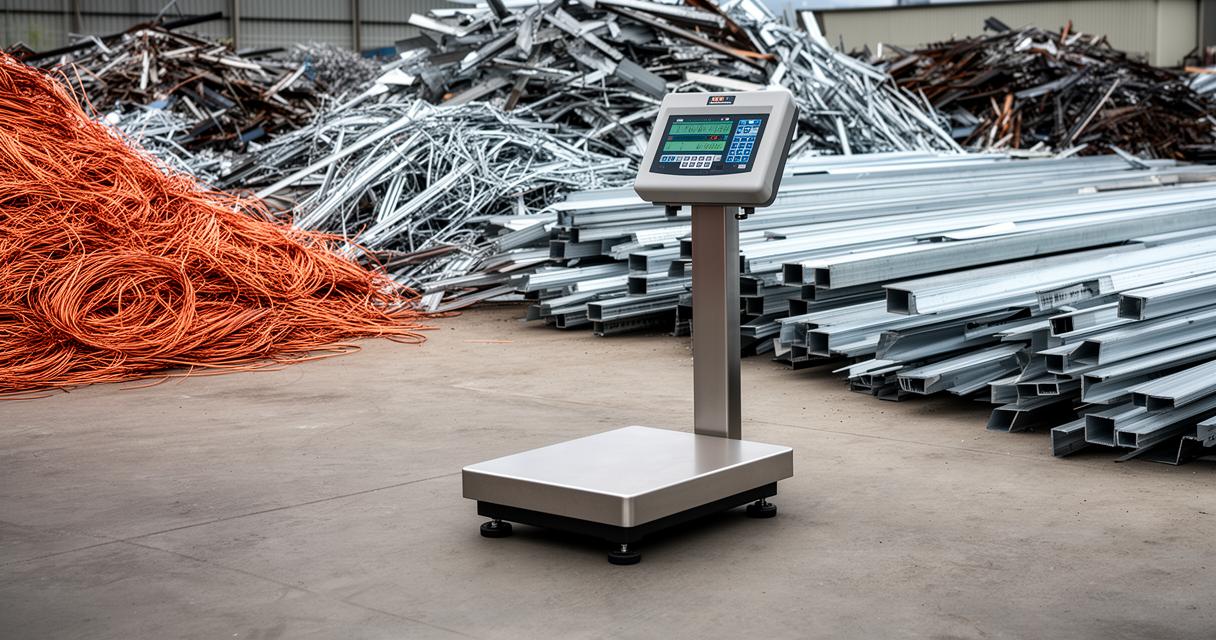
Weight is everything in the scrap trade, so it pays to have a rough idea of how many kilos you are bringing along before you arrive. Most yards price by weight, and non-metal attachments such as plastic casings, rubber seals, or wooden handles will only drag down your overall value since they add bulk without adding worth. Stripping cables of their plastic coating, removing screws from brass fittings, or separating aluminium panels from any attached fixtures takes a little extra effort but genuinely pays off. A thorough weight comparison between ferrous and non-ferrous piles also helps you estimate roughly what you might expect to receive, giving you a stronger position when it comes to negotiating.
Navigating the Scrap Metal Market: Finding the Best Prices and Terms
Researching current market rates and comparing local scrap dealers
Prices for scrap metal fluctuate constantly depending on global demand, so it is always sensible to check current rates before committing to a sale. Copper and brass tend to hold their value particularly well, whilst aluminium and steel can be more volatile. Comparing several local dealers rather than settling for the first one you find is a smart move, as rates can vary noticeably between yards even within the same town. Companies such as Wilton Recycling, which operates across Cavan, Naas, Dublin, and Cork, or H&S Metals with sites in Portsmouth and Bishops Waltham, offer a good example of how established, registered waste carriers structure their services around convenience and fair pricing. Morecambe Metals, based in Lancaster and boasting thirty five years of experience, is another firm worth noting for its focus on vehicle depollution, shearing, and non-ferrous processing alongside straightforward scrap metal buying.
Many of these businesses now offer same-day payment, mobile apps for managing collections, and flexible scheduling that fits around a normal working week, typically Monday to Friday during standard business hours. It is always worth ringing ahead to confirm opening times, since most yards close over the weekend.
Negotiating Effectively and Securing Proper Documentation for Your Transaction
When you finally visit your chosen yard, do not be afraid to negotiate, particularly if you have done your homework on current market trends and know roughly what your load should be worth. Holding onto scrap for a little longer if prices are temporarily low, then selling once the market improves, is a tactic seasoned sellers often use to boost their returns. Always deal with a properly registered waste carrier to ensure everything is handled legally and responsibly, and insist on a receipt once the deal is agreed. This protects both parties and provides a clear record should any questions arise later. For metals that simply are not worth the trip to a dealer, recycling through household or civic amenity schemes remains a sensible and environmentally sound alternative.